
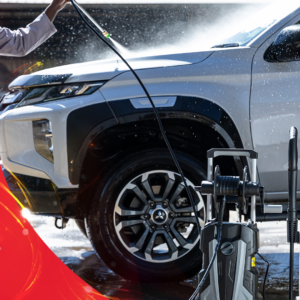
There is something deeply satisfying about watching years of built-up dirt, moss, and grime blast away in seconds. A pressure washer is one of the most rewarding and time-saving tools you can own for outdoor maintenance, turning a full weekend of tedious scrubbing into a quick afternoon task.
However, high water pressure is a double-edged sword. Used correctly, it restores weathered surfaces to pristine condition. Used incorrectly, it can gouge wooden decks, strip paint off walls, or shatter window seals.
Knowing what you can safely clean – and how to adjust your approach for different materials—is the key to getting professional cleaning results without causing accidental damage.
Surfaces You CAN Safely Pressure Wash
1. Concrete Driveways, Paving & Brick Pathways
Concrete and stone paving are tough enough to handle maximum pressure. Over time, driveways accumulate oil drips, tire marks, moss, and embedded dirt that a standard hose simply can’t shift.
- How to clean it: Use a medium-to-narrow spray fan or a rotary patio cleaning attachment. Hold the nozzle around 20–30 cm from the surface and sweep in steady, overlapping passes.
- Pro Tip: Apply a detergent or degreaser first to break down oil stains before spraying.
2. Wooden Decks & Patios
Wooden decks look fantastic when freshly cleaned, but soft timbers (like pine) can be gouged easily if the spray is too concentrated.
- How to clean it: Switch to a wider spray angle (25° to 40° fan nozzle) and keep the nozzle at least 30–40 cm away from the timber. Always spray with the grain of the wood, keeping the wand moving continuously to avoid concentrated stop/start marks.
3. Outdoor Furniture & Garden Tools
Resin chairs, cast aluminum patio sets, teak furniture, lawnmowers, and garden spades can all be refreshed with a quick wash.
- How to clean it: Use a low-pressure setting or wide fan spray. For plastic and painted metal furniture, start further back and work closer until the dirt lifts. For lawnmowers and spades, pressure washing quickly strips caked-on mud and grass clippings from underside decks.
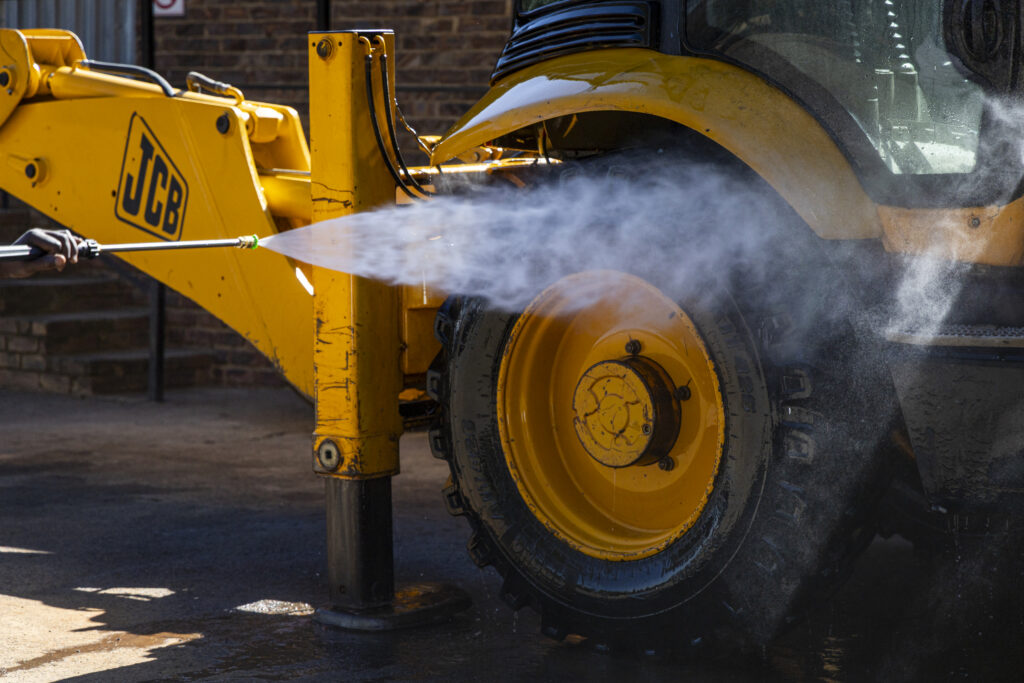
4. Cars, Bakkies & Trailers
Pressure washing your vehicle saves enormous amounts of time, but vehicle paint and clear coats require a gentle touch.
- How to clean it: Use a wide 40° nozzle or a low-pressure soap applicator nozzle to apply car wash detergent. Keep the nozzle at least 40–50 cm away from the bodywork.
- Caution: Never spray directly into engine bays, open window seals, or chipped paint spots where high pressure could peel the clear coat further.
5. Gutters, Fascias & House Siding
Dust, spiderwebs, and algae build up quickly along rooflines and exterior walls.
- How to clean it: Wash from the top down using a low-to-medium pressure setting. Angle the spray downward so water doesn’t get forced up underneath wall cladding or roof tiles.
Quick-Reference Surface & Pressure Guide
| Surface Material | Recommended Pressure Level | Ideal Spray Angle | Key Precaution |
| Concrete & Paving | High | 15° – 25° Fan | Watch out for loose joint sand between pavers |
| Timber Decks & Fences | Medium-Low | 25° – 40° Fan | Spray with the wood grain; don’t hold in one spot |
| Vehicles & Bakkies | Low | 40° Fan or Foam Nozzle | Stay 40 cm+ away from paint & rubber seals |
| Outdoor Plastic / Resin | Low | 40° Fan | Keep distance to avoid cracking weathered plastic |
| Brick Walls & Mortar | Medium | 25° Fan | Inspect mortar integrity before spraying |
Surfaces You Should NEVER Pressure Wash
To protect your property, keep the pressure washer away from these delicate surfaces:
- Old Mortar & Crumbling Brickwork: High pressure can easily blast away soft or aged mortar, damaging the structural integrity of brick walls.
- Outdoor Electrical Panels & Light Fixtures: Water forced under high pressure can bypass weatherproof seals and cause electrical short circuits or safety hazards.
- Windows & Glass Doors: Highly concentrated water streams can break window thermal seals or crack glass panes.
- Air Conditioning Units: The delicate aluminum cooling fins on outdoor AC compressor units bend easily under high pressure, restricting airflow and ruining the unit.
- Painted Surfaces Containing Lead Paint: High pressure strips paint into fine chips, which can contaminate surrounding soil.
3 Golden Rules for Safe Pressure Washing
- Start Far, Move Closer: Always pull the trigger while pointing the spray wand away or starting 50 cm back from the surface. Gradually bring the nozzle closer until you find the sweet spot where dirt lifts cleanly without damaging the material.
- Do the Spot Test: Before cleaning an entire deck or wall, test your spray angle on a small, hidden corner to ensure it won’t strip paint or etch the surface.
- Choose the Right Nozzle for the Job: Wide fan spray pattern = lower pressure spread over a larger area (safe). Narrow pinpoint spray = high, concentrated cutting force (use with extreme caution).
Clean Smarter with Steco
Whether you’re prepping a patio for weekend entertaining, stripping grime off your bakkie, or washing down garden equipment, Steco Pressure Washers deliver the perfect balance of cleaning power, versatility, and ease of use.
Equipped with adjustable spray nozzles and reliable performance, a Steco pressure washer makes light work of tough outdoor chores – keeping your home and tools looking brand new year-round!